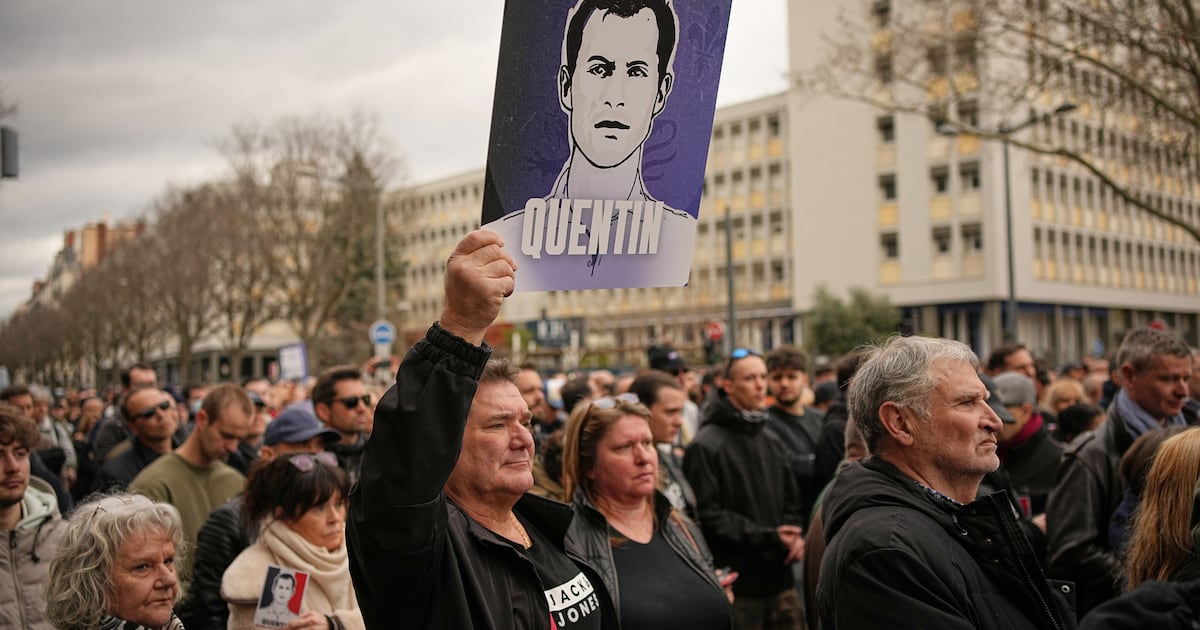
Lyon, a city renowned for its rich history, gastronomic delights, and vibrant cultural scene, finds itself at a precipice, grappling with an escalating wave of unrest. Following the tragic killing of a far-right activist, the city is experiencing a heightened state of tension, drawing national attention to the complex dynamics of political extremism and social cohesion in France. This incident has not only ignited protests and memorials across the metropolitan area but has also underscored the deep-seated divisions that can simmer beneath the surface of even the most picturesque urban landscapes.
The city's authorities are on high alert, navigating a volatile environment where public sentiment is charged, and the potential for further confrontation remains a significant concern. The incident has cast a somber shadow over public discourse, transforming ordinary discussions into a veritable meeting lyon haute tension, where every statement, every demonstration, carries amplified weight and scrutiny.
The Spark That Ignited the Fire: Understanding Lyon's Recent Unrest
The recent killing of a figure associated with far-right movements has acted as a catalyst, bringing pre-existing societal frictions to the forefront. While details of the incident itself are subject to ongoing investigations, its immediate aftermath has been characterized by a surge in public demonstrations and impassioned calls for justice from various factions. These events are not isolated; they tap into a broader narrative of political polarization that has been gaining traction across Europe.
Lyon, with its historical significance as a hub for both revolutionary and counter-revolutionary movements, often serves as a microcosm for national sentiment. The city has witnessed numerous protests and memorials throughout its history, reflecting diverse societal grievances and aspirations. Understanding the underlying drivers of these demonstrations is crucial for comprehending the current climate. Factors such as economic disparities, perceived injustices, and the rise of identity politics often fuel such movements, turning abstract grievances into tangible street protests. For a deeper dive into the broader context of French demonstrations, consider exploring our article on Lyon Protests & Memorials: What's Driving French Demonstrations?
Navigating the Landscape of High Tension: Official Responses and Public Safety
In response to the volatile situation, local and national authorities have significantly reinforced security measures across Lyon. Public spaces, particularly those traditionally used for gatherings and protests, are under increased surveillance. The goal is to maintain public order, prevent further violence, and ensure the safety of all residents, regardless of their political affiliations. This includes strategic deployment of law enforcement personnel and careful monitoring of social media for any indications of organized unrest.
For residents and visitors, understanding the practical implications of such a tense period is essential. Authorities typically issue guidelines regarding planned demonstrations, potential road closures, and areas to avoid. It is advisable to:
- Stay Informed: Follow official police and city government announcements through reputable news sources.
- Exercise Caution: Avoid large gatherings or protests if you are not directly participating, especially if tensions are reported to be high.
- Plan Ahead: Anticipate potential disruptions to public transport and road networks, and adjust travel plans accordingly.
- Report Suspicious Activity: Remain vigilant and report any unusual or concerning behavior to local authorities.
The delicate balance between allowing freedom of expression and ensuring public safety is a constant challenge during such periods, and the city's leadership is under immense pressure to manage this complex environment effectively.
The Echoes of Division: Political Polarization in France
The events unfolding in Lyon are not merely a local phenomenon; they resonate with the broader political climate in France, which has seen a notable increase in polarization over recent years. Debates surrounding immigration, national identity, secularism (laïcité), and economic policy often divide the populace along ideological lines. The killing of a far-right activist, regardless of its specific motivations, inevitably exacerbates these divisions, providing new fuel for partisan narratives and deepening the trenches between opposing political camps.
Political leaders and commentators are grappling with how to address this growing chasm. Calls for unity and calm often compete with fiery rhetoric that seeks to mobilize specific bases. This struggle for narrative control creates an environment ripe for misunderstanding and mistrust, making constructive dialogue increasingly difficult. The intensity of public discourse during a meeting lyon haute tension situation highlights the urgent need for strategies that promote genuine engagement and understanding across political divides, rather than further entrenching them.
Historical Context: Lyon as a Barometer of French Society
Lyon has a long and often turbulent history that reflects France's broader societal struggles. From the Canut revolts of the 19th century to its role in the French Resistance during World War II, the city has frequently been a stage for significant social and political movements. This historical backdrop lends a particular resonance to current events. The city's identity is shaped by its resilience, its capacity for innovation, but also by its periodic bouts of internal strife.
Even in the realm of sports, Lyon displays intense rivalries, such as the legendary football clashes between Olympique Lyonnais and AS Saint-Étienne, often referred to as the "Derby Rhône-Alpes." While distinct from political tensions, the passion and occasional friction surrounding these events illustrate the deep-seated rivalries that can exist within French society. For more on this iconic rivalry, read about Saint-Étienne vs Lyon: Unpacking French Football's Fiercest Rivalry.
Understanding this historical context helps to frame the current unrest not as an anomaly, but as another chapter in Lyon's ongoing narrative of social and political evolution. It underscores the importance of historical memory in shaping contemporary responses to crisis.
Beyond the Headlines: The Human Impact and Path Forward
While headlines focus on protests and political rhetoric, the true impact of this period of unrest is felt most deeply by the residents of Lyon. The pervasive atmosphere of uncertainty, the disruption to daily life, and the emotional toll of witnessing such divisions can be profound. Businesses may suffer, community initiatives might be put on hold, and the overall sense of security can diminish.
Moving forward, the challenge for Lyon and for France as a whole will be to address the root causes of this unrest. This requires more than just maintaining public order; it demands fostering dialogue, promoting civic education, and working towards more inclusive social and economic policies. Building bridges across ideological divides, supporting community-led initiatives for peace and understanding, and ensuring equitable justice are crucial steps. Ultimately, the resilience of Lyon will depend on its ability to navigate these turbulent times, learning from its history to forge a future characterized by greater unity and less tension.